The California CCW permit: how it works after Senate Bill 2
California used to be a good-cause state, which in most counties meant a licence was out of reach. The Supreme Court ended that in 2022, and the Legislature rewrote the licensing statute with Senate Bill 2, which took effect on January 1, 2024. A California carry licence is now shall-issue for a qualified applicant, with a longer training requirement and a much longer list of places you may not carry. This guide covers the process as it stands in September 2026, with Sacramento County as the example.
Who issues the licence
Licences come from the sheriff of the county where you live, or from the chief of police of the city where you live. If you live in the unincorporated part of Sacramento County, or in one of the cities that contracts with the Sheriff's Office, you apply to the Sacramento County Sheriff's Office. If your city runs its own department and issues licences, you may have the choice. A non-resident who works most of the time in a county can usually apply there instead.
Who qualifies
Under Senate Bill 2 an applicant must be at least 21, be the recorded owner of the handgun or handguns to be listed, not be a disqualified person under state or federal law, and not be, in the licensing authority's judgment after an investigation and interview, a danger to self or others. The sheriff checks references, reviews your record and interviews you. Good cause is no longer part of it, which is the whole point of the change.
What the interview covers
The investigation is the part first-time applicants ask about most. The Sheriff's Office runs a state and federal records check, contacts the character references you list, and sits you down for an interview. Expect questions about why you want the licence, how you plan to carry and store the handgun, whether anyone in your household is prohibited, and your driving and arrest history. Answer the application honestly the first time; an omission that turns up later is a far bigger problem than the thing you left out. Bring your firearm registration records, since the licence lists handguns you own.
Training
A new applicant completes a course of at least 16 hours from a state-certified instructor. It covers firearm safety and handling, shooting technique, safe storage and legal transport, the laws on where a licensee may carry, the law on the permissible use of a firearm and on lethal force in self-defence, at least one hour on mental health and mental health resources, and a written test. You also qualify on the range with each handgun you want listed. Renewal requires an 8-hour refresher.
Fees and term
Fees are set locally within statutory caps, they are paid in stages, and Sacramento County updated its schedule on July 1, 2026, so take the current figure from the Sheriff's Office application portal rather than from a training company. Expect a non-refundable application payment up front, a larger payment on approval, plus the state fingerprint charge, the psychological cost where one applies, and the training and range fees you pay your instructor. A California licence runs two years, and the Sacramento Sheriff asks for renewal applications 30 to 45 days before the expiry date, with a 90-day grace window after it.
How many handguns
A California licence lists specific handguns by make, model and serial number, up to three. Since January 1, 2024 a licensee may carry no more than two of them at one time. Adding or removing a handgun is a modification through the same office, and you have to qualify with anything you add.
Where you may not carry
Senate Bill 2 added Penal Code section 26230, a list of sensitive places closed to licensed carry: schools and colleges, day care, hospitals and medical offices, public transit, playgrounds and youth centres, parks, libraries, government buildings, courthouses, polling places, places of worship, bars and places serving alcohol, casinos, stadiums, amusement parks, zoos, museums and public gatherings that require a permit, among others. The statute also treated private property open to the public as closed unless posted otherwise.
Parts of that list were enjoined by a district court at the end of 2023, and the Ninth Circuit reversed much of the injunction in May v. Bonta, with the mandate issued in January 2025. Most of the categories are being enforced and a handful are not. Because the picture has moved several times, treat the printed list you get with your licence and the sheriff's current guidance as the controlling version, and avoid carrying anywhere you are unsure of.
Carrying without a licence
There is no permitless carry in California. Open carry of a loaded or unloaded handgun is barred in incorporated cities and in prohibited areas of unincorporated counties, and openly carrying a loaded long gun is barred in the same places. Outside those areas, in the field while lawfully hunting, and on your own property or place of business, different rules apply. In practice, in and around Sacramento the licence is the route.
Reciprocity
California does not honour any other state's carry permit. A permit from Nevada, Arizona or anywhere else has no effect here, and a California licence is not recognised in most other states either. If you are travelling, look up the destination state's rules before you leave and move the firearm under the federal transport rules.
Choosing a carry handgun
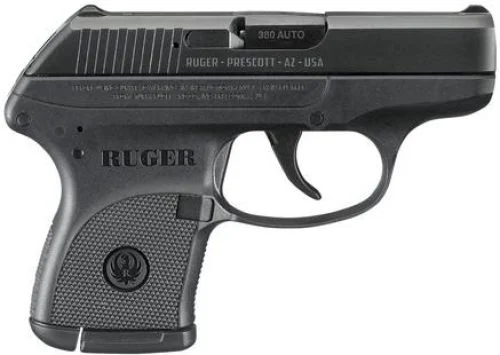
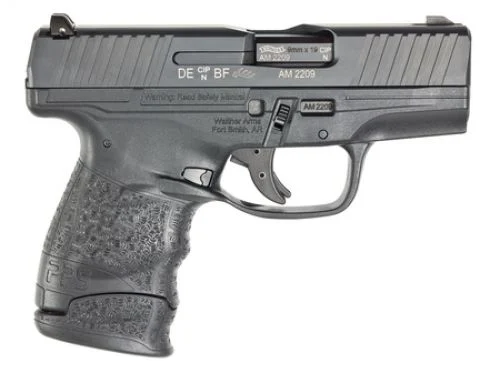
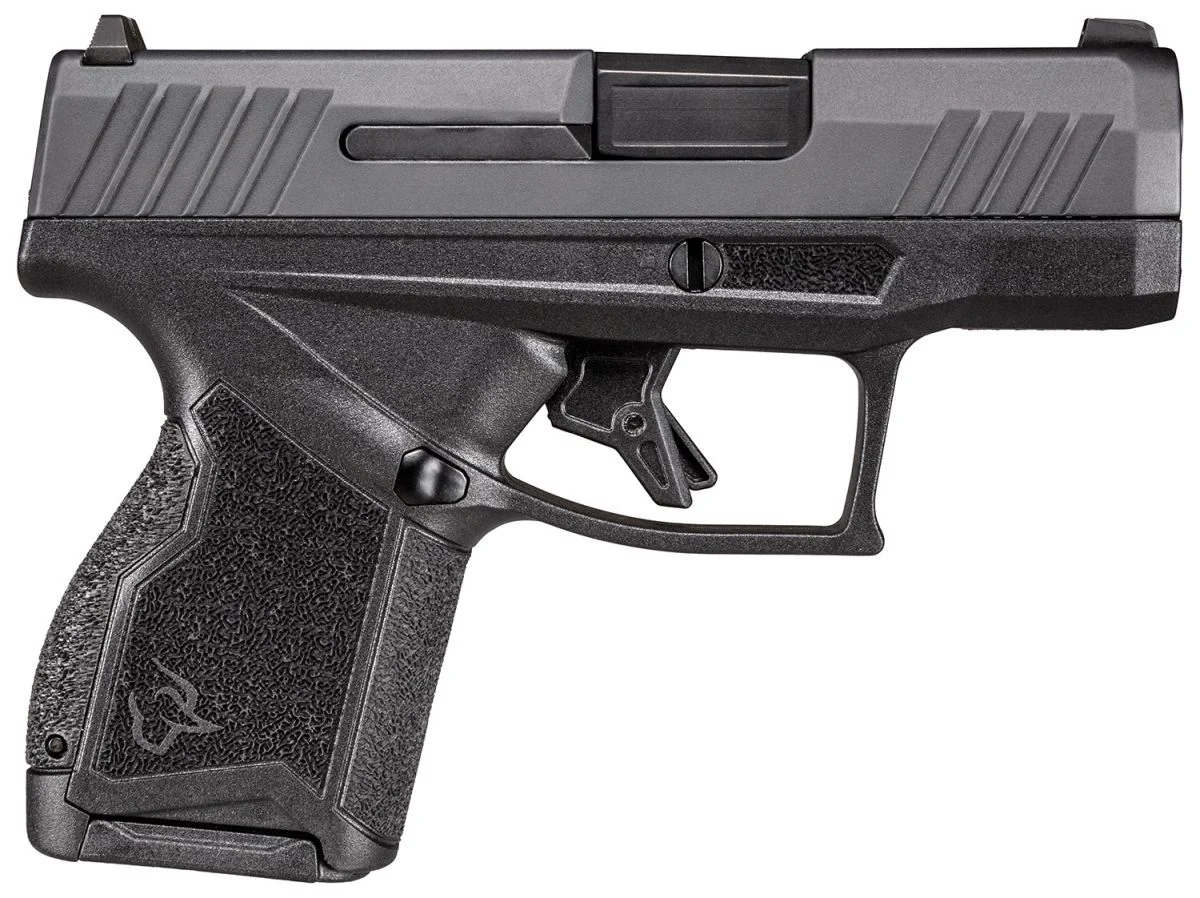
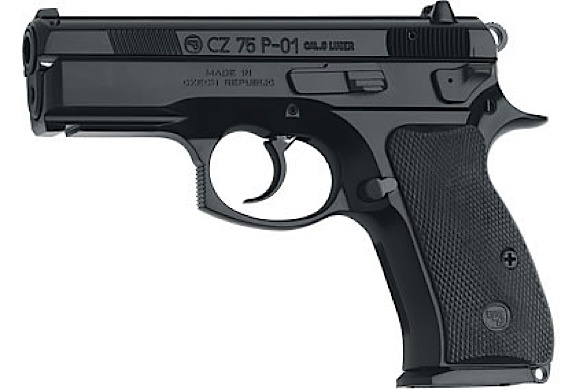
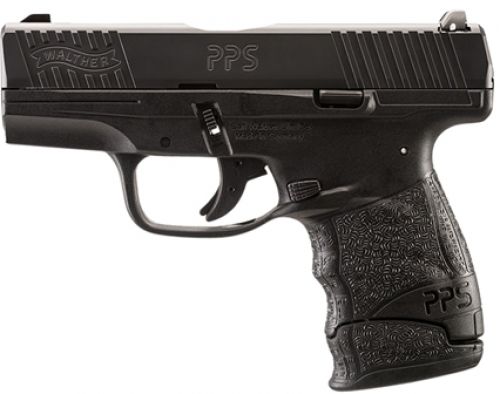
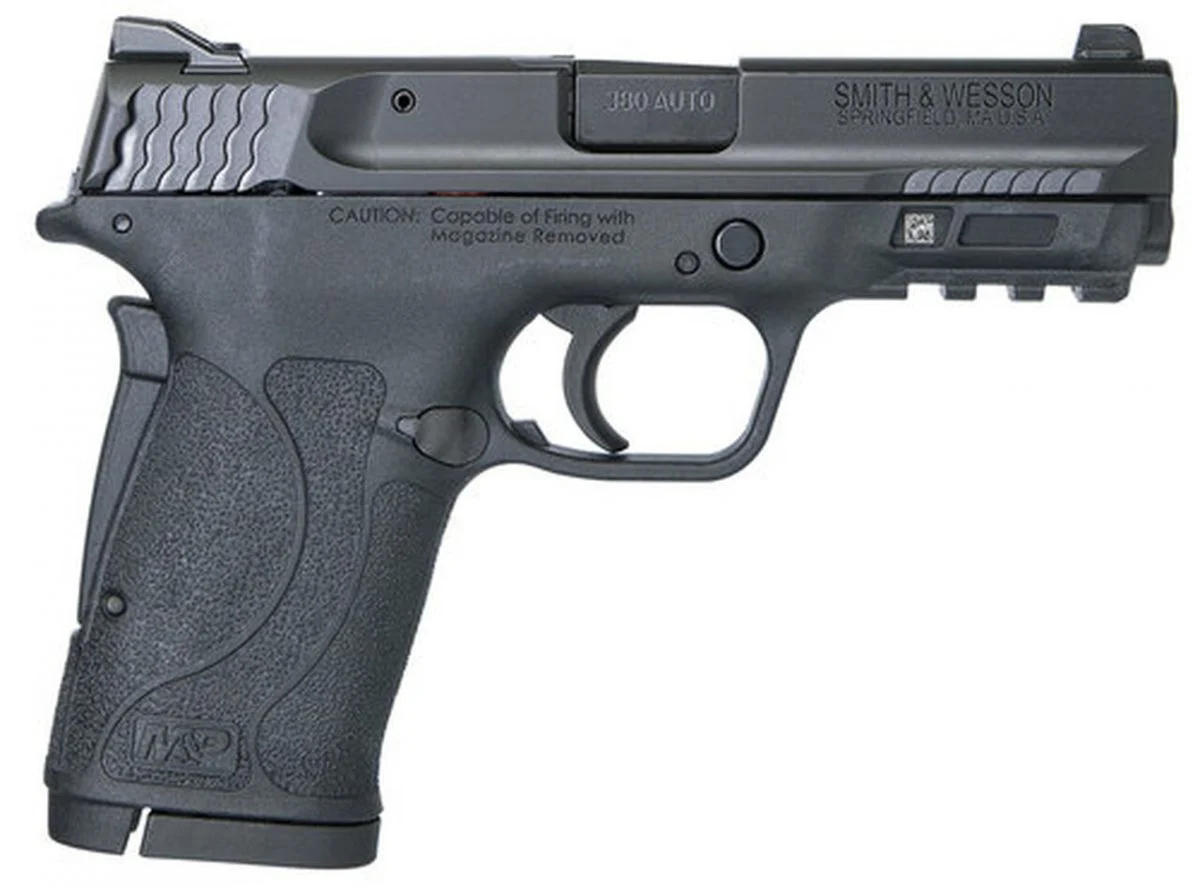
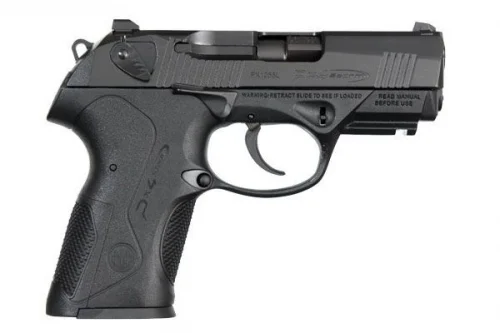
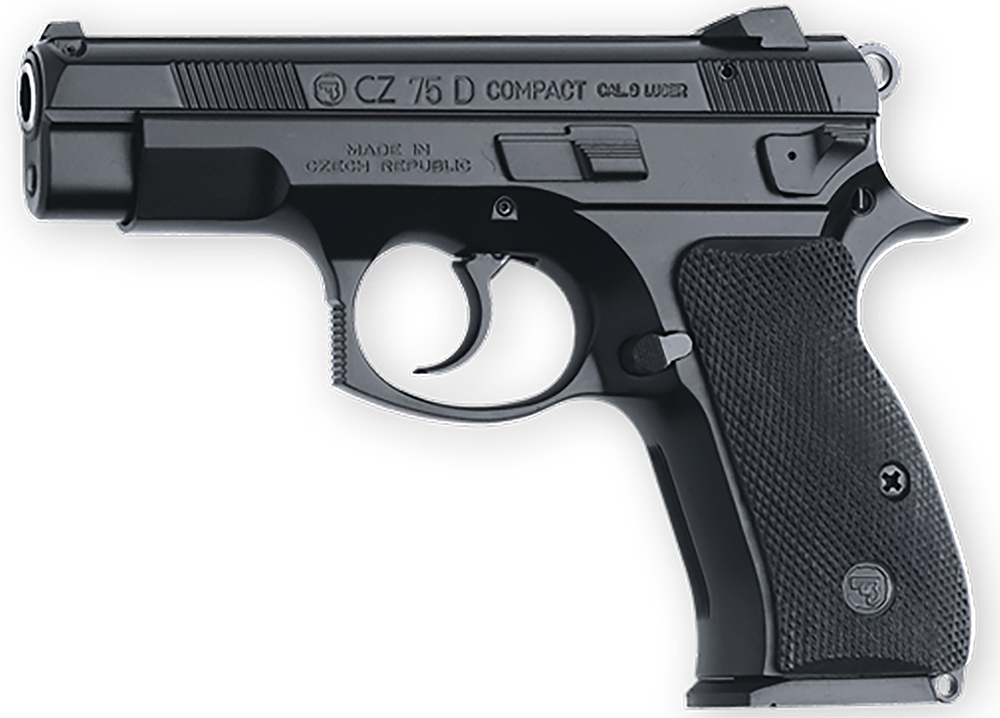
Because a licence lists specific handguns and you must qualify with each, most licensees settle on one or two and stay with them. A compact or subcompact 9mm with a ten-round magazine is the common choice, and duty-size pistols with ten-round magazines are popular for people who carry in a vehicle. Everything we list for California is roster-legal and shipped with compliant magazines. See our California gun laws guide for the purchase side, the Sacramento buying guide for the local process, or browse the catalog.
General information, not legal advice. Current as of September 2026. Laws change; check the official source before you act.