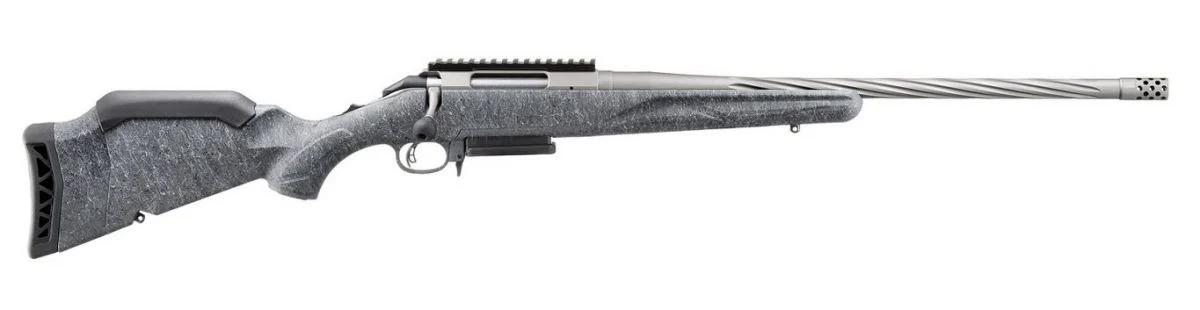
Deer and wild pig rifles for Northern California
California sells deer tags by zone, not by county, and the zone you draw or buy decides your dates, your country and often your rifle. Add the statewide nonlead requirement and the fact that wild pigs are open all year, and the north state ends up with a fairly specific set of rifle and load choices. This guide covers the 2026 seasons the Fish and Game Commission approved, how the zones lie around Sacramento, and what to carry.
The 2026 seasons
The A zone, which takes in the coast ranges and the western edge of the valley through Colusa, Glenn, Lake, Mendocino, Napa, Sacramento, Solano, Sonoma and Yolo counties, ran an archery season from July 11 to August 2 and a general season from August 8 to September 20. That is the earliest opener in the state and it is hot, dry work.
The B zones, north of the valley through Tehama, Shasta, Trinity, Humboldt and Siskiyou country, ran archery from August 15 to September 6 and a general season from September 19 to October 25 in most of the group, with B-4 earlier, August 22 to September 27, and B-6 closing October 18. B zone tags are valid in any B zone during either season.
The D-3, D-4 and D-5 zones cover the Sierra foothills and the west slope from the Feather River down through El Dorado, Amador, Calaveras and Tuolumne. They ran archery from August 15 to September 6 and a general season from September 26 to November 1, and one tag is valid across all three. The C zones opened September 19 with closing dates from October 4 to October 25 depending on the zone, and the X zones in the north-east are drawn tags with short October windows.
Quotas matter here: the A zone was set at 65,000 tags, the B group at 35,000 and the D3-5 group at 33,000, while X zone quotas run from a few dozen to a few hundred. Check the current zone map and quota list before you plan a hunt, because the Commission sets these every year.
Nonlead is the law
Since July 1, 2019, nonlead ammunition has been required to take any wildlife with a firearm anywhere in California, on public and private land alike. Nonlead means one percent lead content or less, which in practice means a monolithic copper or copper-alloy bullet. The rule does not touch target shooting, so you can still practise with lead-core ammunition at the range.
Copper changes how you load. A copper bullet is longer than a lead-core bullet of the same weight, so most shooters drop a weight class: 130 grains instead of 150 in .308, 120 instead of 140 in 6.5 Creedmoor, 150 instead of 165 or 180 in .30-06. Copper opens reliably at lower impact speeds than older designs did, but it still wants velocity, so keep an eye on your drop-off distance rather than assuming any load works to the horizon. Most factory copper loads shoot to a different zero than your old ammunition, so budget range time before the opener.
Cartridges for the north state
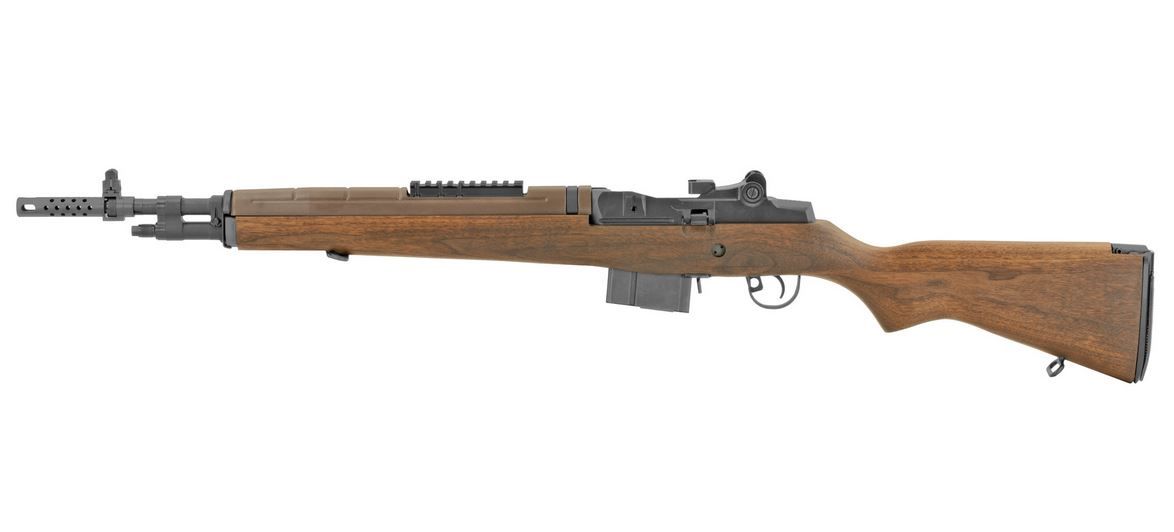
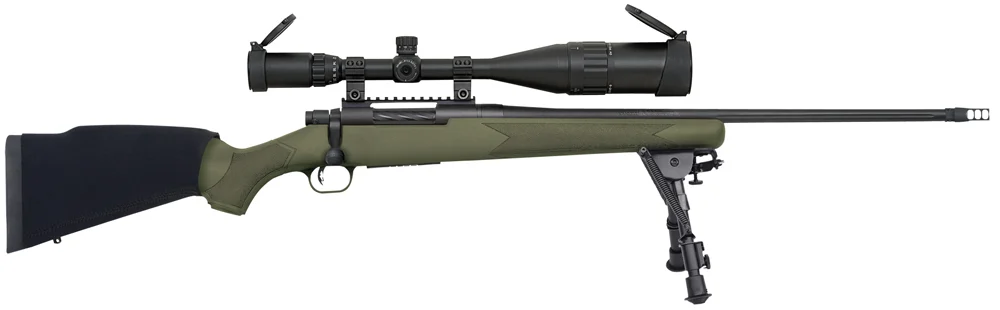
Blacktail in the A zone and the coast ranges are usually shot close, in brush and oak, at first and last light. A short, light rifle beats a heavy one. The .243, 6.5 Creedmoor, 7mm-08, .270, .308 and .30-06 all do the job, and a .30-30 or a .35 Remington lever gun is still a very good coast-range tool. Mule deer in the D zones and the eastern X zones can give you a longer shot across a canyon, which is where the 6.5 Creedmoor, .270 and .308 earn their keep.
A 3-9x40 or 2.5-10x42 scope covers nearly everything in this country. Anything more magnification than that is weight you carry up ridges for no return. A sling that actually helps you shoot, a light bipod for canyon work, and a rangefinder are worth more than another two power of glass.
Wild pigs
Wild pigs are open all year in California with no bag limit. What changed is the paperwork: instead of buying a tag per animal you buy a wild pig validation on your hunting license, and you report your take through the state licence system within 60 days of the end of the license year. The nonlead rule applies to pigs too.
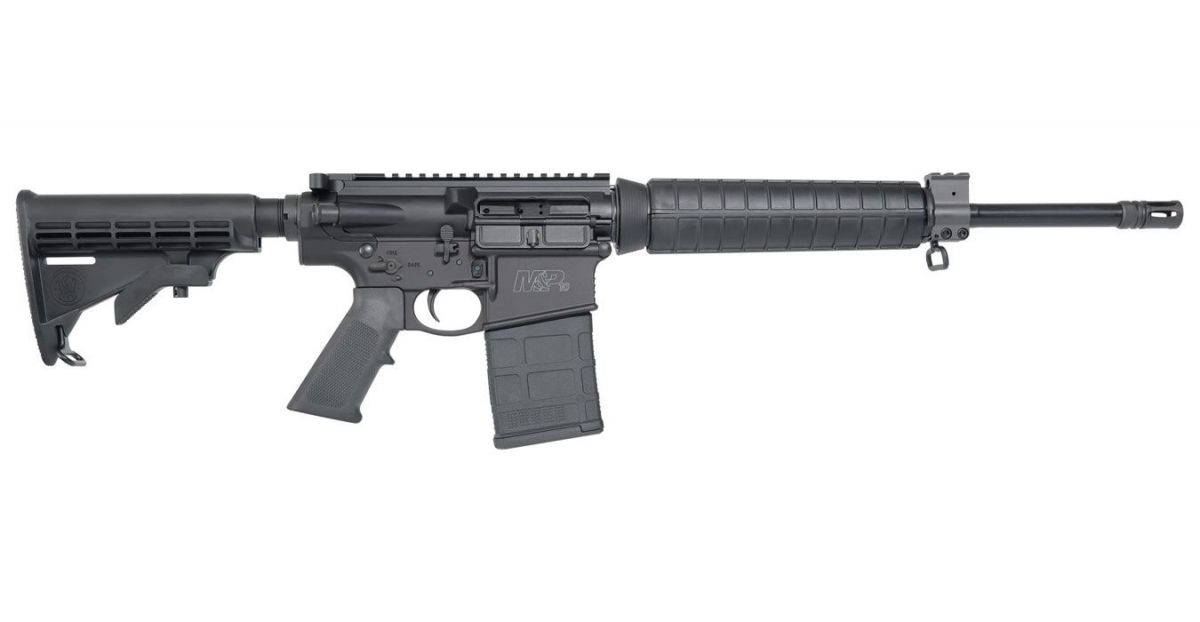
Pigs are thickest in the coast ranges and the Diablo Range, which puts Mendocino, Lake and the west side of Stanislaus County closest to us, with more of them down the inner coast range from there. They are heavier-boned and harder to anchor than a blacktail of the same size, so plenty of hunters step up: .308, .30-06, .300 Blackout out of a short rifle, or a .350 Legend. A semi-automatic rifle in a California-compliant configuration is popular for pigs because follow-up shots are common in a moving group. Put the bullet in the shoulder, not behind it.
Licences and tags
You need a California hunting licence, a deer tag for your zone, and the wild pig validation if you want pigs. First deer tags for popular zones sell through, and X zone tags go by drawing with a June application deadline, so plan early. Hunter education is required for a first licence. Check the current regulations for tag quotas, reporting deadlines and the chronic wasting disease testing rules that now apply to deer and elk taken in certain zones.
See our waterfowl and upland guide for the bird seasons, the California gun laws guide for the purchase rules, or find your county on the city pages.
General information, not legal advice. Current as of September 2026. Laws change; check the official source before you act.